

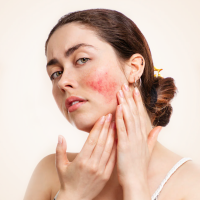
April 2026 is Rosacea Awareness Month, and we wanted to join in helping to raise awareness of this chronic skin condition.
Rosacea does cause physical problems, such as extremely sore and sensitive skin which can be painful and uncomfortable. However, it can also have an effect on people’s emotional and mental state.
In this article we’ve put together our top tips on how to spot if you have rosacea, the triggers which can cause flare-ups and our most recommended treatments. We will also provide some advice on how to manage your rosacea in the most effective way possible.
What Is Rosacea?
Rosacea is a chronic skin condition that causes persistent redness and inflammation, most commonly across the nose, cheeks, forehead and chin. What we tend to see when we’re looking at rosacea is three things:
- Dryness and sensitivity (skin barrier dysfunction)
- Inflammation, which causes spots and sometimes swelling
- Flushing and redness, linked to blood vessels
We know that 1 in 10 people experience some form of rosacea, and it is most common in fairer-skinned women aged between 30 and 50.
What Are The Signs of Rosacea?
Most people associate rosacea with a rosy or flushed complexion. While that is one of the more common symptoms, the reality is that it can look and feel very different from person to person. No one size fits all when it comes to this skin condition.
For many, the symptoms go much further than a bit of redness. These can include:
- Visible blood vessels and broken capillaries across the face
- Spots or red bumps, often mistaken for acne
- Flushing and redness that cycles through flare-ups lasting weeks or months before settling
- A burning or stinging sensation on the skin
- Eye irritation or sensitivity
- Thickening of the skin, particularly around the nose (known as rhinophyma), which is more commonly seen in men
Many people can also find their symptoms are similar to other skin conditions such as psoriasis, acne and dermatitis; therefore, misdiagnosis is common. Spotting that you have rosacea as soon as possible is key in ensuring you manage your symptoms in the correct way. If left untreated or treated incorrectly, symptoms may persist and become harder to treat..
Are There Different Types of Rosacea?
Yes. There are four main types of rosacea:
- Erythematotelangiectatic rosacea: flushing and visible blood vessels.
- Papulopustular rosacea redness alongside acne-like breakouts.
- Phymatous rosacea causes skin to thicken and take on a bumpy texture.
- Ocular rosacea affects the eyes, making them feel irritated.
Many people experience more than one subtype at the same time.
What Causes Rosacea?
There is no known cause of rosacea, but instead a combination of factors that can contribute to its development.
Research shows that rosacea is linked to inflammation and increased sensitivity in the blood vessels, meaning the skin reacts more easily to triggers. Some of the key contributing factors include:
- Genetics play a role as rosacea often runs in families.
- Sun exposure (UV radiation) is one of the biggest contributors, which is why daily SPF is essential.
- Inflammatory responses within the skin, which can become overactive.
- Environmental conditions can irritate the skin and trigger flare-ups.
People with rosacea also tend to have a weakened skin barrier, making their skin more sensitive and reactive to products and environmental factors.
What Triggers Rosacea Flare Ups?
While the underlying causes vary, there are several well-known triggers that can make rosacea symptoms worse. These often relate to anything that increases blood flow or causes the skin to react.
Common rosacea triggers include:
- Sun exposure
- Alcohol
- Spicy or hot foods
- Heat and temperature changes
- Exercise
- Caffeine
- Stress
Not everyone will have the same triggers. That is why it’s important to make a conscious effort to understand your triggers when you notice your rosacea has flared up. Lots of people will use a diary to help pinpoint specific triggers, allowing them to make changes and reduce or avoid these in the future.
Can Teenagers Get Rosacea?
As we mentioned earlier, the most common rosacea patient is women aged between 30 and 50. However, the condition can affect all ages, including teenagers and even babies in some cases.
Teenage skin concerns are often assumed to be acne, but rosacea can also develop at this age. Because the symptoms can overlap, they are sometimes misdiagnosed with acne.
In teenagers, rosacea can present as:
- Persistent flushing or redness, particularly across the centre of the face
- Acne-like breakouts, including spots and bumps
- Sensitive or reactive skin that may sting or feel irritated
In younger children, long-lasting flushing can sometimes progress to more permanent redness in the middle of the face.
It’s important to have that awareness that rosacea can occur in younger age groups, especially if they are being misdiagnosed with acne.
What Does Rosacea Look Like on Darker Skin Tones?
Rosacea can look different on darker skin tones, which is one of the reasons it is sometimes missed or misdiagnosed.
Instead of obvious redness, which is more commonly seen in lighter skin, rosacea in darker skin may appear as the following:
- Subtle patches of irritation or inflammation rather than bright redness
- Small, itchy red or skin-coloured bumps, often on the forehead or temples
- Skin that feels very sensitive or “burning”
- Dry or eczema-like patches that can worsen with over-cleansing or acne treatments
- Flare-ups that come and go
Rosacea in darker skin is often mistaken for acne or eczema because the tell-tale signs of redness and flushing aren’t always visible. Although redness may be less visible, the physical feeling of tenderness, stinging and changes in skin texture are the most obvious signs of rosacea in darker skin tones.
Greater awareness of how rosacea presents across all skin tones is essential to reduce any delays in diagnosis and ensure patients receive the right care sooner.
Rosacea in the UK
Rosacea Awareness Month is an important reminder that rosacea is far more common than many people realise and often underdiagnosed or misunderstood.
Rosacea affects around 1 in 10 people in the UK, with the typical age of onset falling anywhere in the 30s to 60s, but it can appear earlier.
A large UK study using GP data found that about 1.65 new cases of rosacea are diagnosed each year for every 1,000 people, with around 80% of those diagnosed after the age of 30.
Women are more commonly affected by rosacea than men, particularly in the 36 to 50 age range, though men tend to experience more severe symptoms when they do develop the condition.
Ocular symptoms, including eye irritation, dryness and sensitivity, are recorded in over 20% of rosacea cases in the UK.
People with rosacea are more than twice as likely to experience depression and anxiety compared to those without the condition, according to a systematic review and meta-analysis published in Dermatology and Therapy.
75% of rosacea patients report the condition has negatively affected their self-esteem, with the majority also describing feelings of embarrassment and frustration.
Our Top Tips for Managing Rosacea
Although this skin condition can’t be cured, it can be well managed. With appropriate skincare, in-clinic treatments and a mindful approach to your triggers.
Knowing your triggers – this is the most effective way of minimising flare-ups. Reducing or avoiding the lifestyle factors you know contribute to your rosacea should help to limit flare-ups.
Wearing SPF every day – you can’t change your genetics, but you can control triggers, and UV exposure is one of the biggest.
Daily sunscreen is essential, even on cloudy days. UVA rays worsen rosacea over time. Naturally, your skin is much more sensitive when you have rosacea and is therefore even more sensitive to sun exposure than most people. Ensuring you wear SPF 50 every day and keeping your face out of the sun as much as possible is vital.
Balance your diet – dietary triggers can include spicy food and dairy. Anything that increases blood flow can trigger flushing. Therefore, an anti-inflammatory approach to diet can be helpful for the long-term management of rosacea:
- Reduce sugar and highly processed foods
- Focus on antioxidant-rich foods (like berries and vegetables)
- Include healthy fats such as oily fish, nuts and seeds
Seeking the right support and guidance – finding an experienced, knowledgeable and highly trained aesthetician or medical professional who has experience in treating rosacea is key to ensuring you get the best possible support and advice throughout your rosacea journey. Don’t cut corners and do your research; the right practitioner could ultimately change your life!
What Can Be Done About Rosacea?
Rosacea is not something that can be “cured”, but it can absolutely be controlled. Like many inflammatory skin conditions, it tends to come and go in cycles. The key is understanding your skin, recognising your triggers and having a treatment plan in place that you can rely on when flare-ups occur.
At MediZen, we take an individualised approach to rosacea management. We start every new patient with a thorough consultation, including a VISIA skin analysis, which allows us to assess the skin at a deeper level and build a treatment plan tailored to your type of rosacea.
For redness concerns, some of the rosacea treatments we offer include:
Medical-Grade Skincare
When you’ve found a great practitioner, they will recommend effective and suitable medical-grade skincare for at-home use. Keeping your skincare routine simple, not overloading the skin, and using gentle products will soothe and protect your skin’s barrier. Keep an eye out for products designed for sensitive or redness-prone skin. Your skin will thank you for ingredients which help with oiliness, congestion and inflammation.
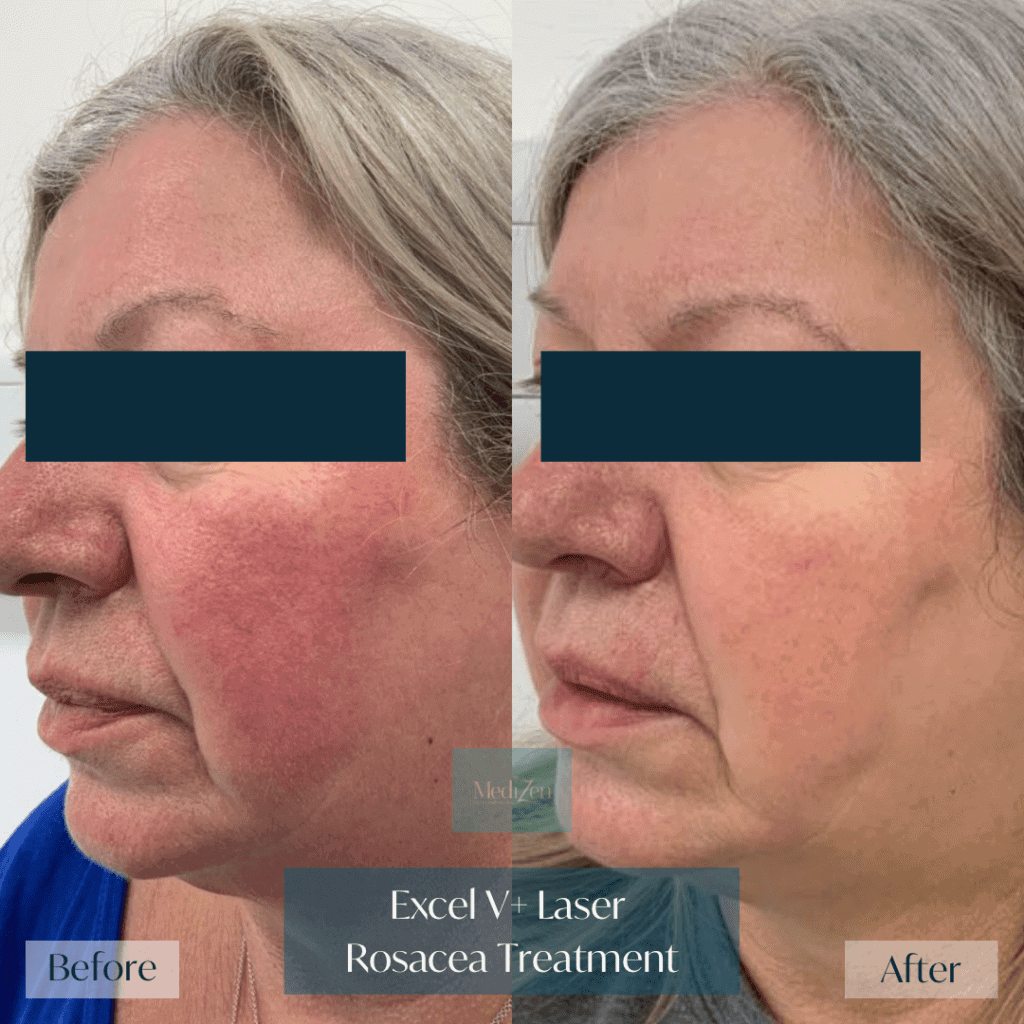
Excel V+ Laser Treatment
Here at MediZen, our most recommended and effective rosacea treatment is the state-of-the-art Excel V+ laser. This laser offers multiple handpieces and wavelengths to target redness and inflammation within the skin. We recommend a course of six treatments every four weeks for maximum results. You can watch an in-clinic Excel V+ treatment for one of our rosacea patients here.
LED Light Therapy
LED light therapy is a great option for many rosacea patients. The red and near-infrared lights are anti-inflammatory and aid the skin’s natural healing response. The blue light is anti-bacterial and great for treating pustules and papules. We recommend regular treatments to minimise flare-ups. Or a course of 6 treatments if you have experienced a recent flare-up and require an in-clinic treatment to manage and reduce your symptoms.
Topical or Oral Medications
A doctor or dermatologist may recommend and prescribe certain creams, gels or tablets which can help to reduce inflammation and improve rosacea symptoms.
HydraFacial
With the right protocol, HydraFacial can be adapted for rosacea-prone skin to cleanse, hydrate and calm without aggravating redness.
Rosacea Treatment in Birmingham at MediZen
Living with rosacea can be challenging, both physically and emotionally. This Rosacea Awareness Month, our aim is to help more people recognise the signs early, understand their triggers and feel confident that effective management is possible.
At MediZen, rosacea is treated based on accurate diagnosis and evidence-based treatments to reduce redness and improve overall skin health.
Each patient starts with a detailed consultation, including VISIA Skin Analysis, to assess the severity of rosacea and identify underlying triggers. This allows for a tailored treatment plan based on your specific symptoms, whether that’s persistent redness, sensitivity or acne-like breakouts.
MediZen is CQC registered and Save Face accredited, meaning all treatments meet strict medical and safety standards. Rosacea is managed appropriately with the right combination of skincare, in-clinic treatments and, where needed, prescription options.
If you think you may have rosacea or are searching for rosacea treatments in Birmingham, please book a consultation with us today.
Our team is extremely experienced in treating rosacea and has provided hundreds of patients with incredible results. You could be next…
 Back
Back