






Skin led injectables
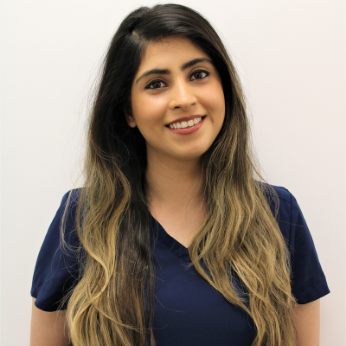
Dr Sonia Khorana
Aesthetic Doctor
A GP with a postgraduate distinction in clinical dermatology, combining medical skin knowledge with a detail led approach to natural looking results.


MediZen is a doctor-led injectable clinic. Polynucleotides are one of the treatments patients now travel across Birmingham and Sutton Coldfield to ask for by name. Rather than filling a line, they use purified DNA fragments. These nudge tired skin back toward the way it behaved a decade ago.
Doctor-led polynucleotide treatment at MediZen, from £400, for skin that looks rested rather than filled.
per treatment
Most people who ask about polynucleotides have reached a certain point. A good night’s sleep no longer shows on their face. The skin under the eyes has gone crepey and shadowed. The neck looks a step behind the rest of them. Someone has tried a hydrating serum, perhaps a course of skin boosters. They want something that works a layer deeper without tipping into an overfilled look. If any of that sounds familiar, this is the treatment built for you.
Our Birmingham and Sutton Coldfield patients most often choose polynucleotides for:
It is only fair to say who it is not for. Polynucleotides do not add volume. So if your real concern is a flattened cheek or a deep tear trough, dermal fillers are the honest answer. Dr Eccleston will tell you so. Results build over a course rather than appearing overnight, which rewards patience more than a last-minute booking before an event. The treatment is not carried out during pregnancy or breastfeeding, or over active infection or inflammation in the area. Anyone weighing polynucleotides against Profhilo or a biostimulator such as Juläine is asking exactly the right question. The section further down lays the differences out plainly.
Polynucleotides are short chains of DNA, purified and sterilised. They are then injected in a series of tiny deposits just beneath the surface of the skin. The fragments used in aesthetics are taken from salmon. They are chosen because its DNA is close enough to our own to be recognised rather than rejected. You may have seen them described online as salmon DNA injections. Once in the skin, they behave less like a filler and more like a signal. This prompts the fibroblasts (the cells that build collagen and elastin) to get back to work. It also helps the tissue repair and hold water again.
That mechanism is why the treatment reads as skin rejuvenation rather than augmentation. It does not plump a line from underneath. It improves the quality of the skin itself over the weeks that follow. So the change tends to look like you on a well-rested week rather than like work. Because it is an injectable, it is doctor-led at MediZen. It is given only after a face-to-face medical assessment, never booked blind from a price list.
What sets polynucleotides apart is simple. They treat the skin as a living thing rather than a surface to be filled. It is one of the few genuinely regenerative tools in aesthetics. This is why the medical team reaches for it so often. Dr David Eccleston uses it most on the under-eye area. There the skin is too thin and too delicate for much else.
The results are gradual and, in fairness, not permanent. Skin keeps ageing. So a first course of three to four sessions is usually followed by a top-up around every six months. For patients layering treatments, polynucleotides sit comfortably alongside micro-needling and a considered medical skincare routine.
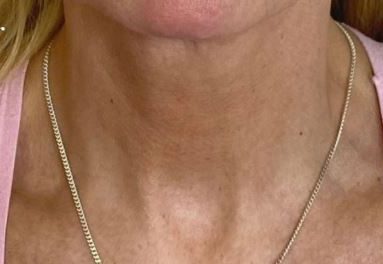
Treatment: 1 treatment of Polynucleotides
Result: 23 days
Treatment: 1 treatment of Polynucleotides
Result: 5 weeks
Treatment: 4 sessions of Polynucleotides
Result: 6 months
Treatment: 4 sessions of Polynucleotides
Result: 6 months
Treatment: 1 treatment of Polynucleotides
Result: 6 months
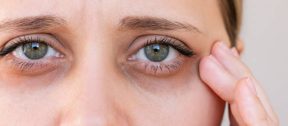
If polynucleotides have a signature, it is the tired, shadowed skin beneath the eyes. It is the first place people notice they look worn out. It is also the hardest area to improve safely. The skin there is thinner than anywhere else on the face and unforgiving of anything heavy. This is where polynucleotides under the eyes have quietly become one of the most requested treatments at our Birmingham clinic.
Rather than filling the hollow, the treatment thickens and revives the skin itself. It softens the crepey texture and lends back a little of the bounce that makes a face read as rested. Most patients book a short course. They notice the shadow lifting after the first session or two. Then they watch the fuller benefit settle over the following weeks. The woman quoted at the top of this page came to us wanting an alternative to filler for this concern. This is a conversation we have most weeks.
The under-eye area is delicate enough that it should only be treated by an experienced medical injector. This is the whole reason the treatment stays doctor-led. You may have searched for polynucleotides under eyes near me. You want to know whether your shadows are a skin-quality problem or a volume one. Working that out together is the first thing we do at your assessment.
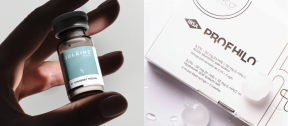
The question we hear more than any other is how polynucleotides differ from Profhilo. It is a fair one, because both are injectable treatments that improve skin quality rather than add volume. They are not the same thing. The right choice comes down to your skin and what you want from it. Here is an honest side by side.
Every injectable at MediZen is placed by a doctor or an independent nurse prescriber, and every practitioner here is trained and mentored by our founder, Dr David Eccleston.
Skin led injectables
Aesthetic Doctor
A GP with a postgraduate distinction in clinical dermatology, combining medical skin knowledge with a detail led approach to natural looking results.

Advanced injectable technique
Nurse Practitioner- RGN INP
An independent nurse prescriber with over 20 years in nursing and 10 in aesthetics, trained personally in advanced technique by Dr David Eccleston.

Injectables lead
Founder and Clinical Director - M.B., Ch.B., B.C.A.M.
One of the first doctors in the UK to offer cosmetic injectables, with nearly 30 years of anti-wrinkle and filler experience, and the trainer behind every practitioner at MediZen.


Polynucleotides at MediZen start from £400. Most people have a first course of three to four sessions spaced three to four weeks apart. Then a single maintenance treatment follows around every six months. The number of sessions and the area treated vary from one person to the next. So we confirm your exact plan and price at your consultation. We would rather do that than pretend a single figure fits everyone. Packages are available. If you are weighing the polynucleotides cost against other skin treatments, we will give you the full picture. We do that before you commit.
Still weighing up polynucleotides in Birmingham? These are the questions our patients ask most about the treatment itself, from safety and comfort through to sessions and downtime. For questions about a specific concern or what it costs, see the section just below.
They have a strong safety record and are well tolerated, and the fragments are highly purified before they are used. The real safeguard is that this is an injectable, so at MediZen it is doctor-led and given only after a face-to-face medical assessment. Every one of our injectors has trained under Dr Eccleston. If you want to understand the standards a doctor-led aesthetic clinic works to, the British College of Aesthetic Medicine is a good place to start.
Most people describe a light stinging rather than pain. The treatment is a series of very small injections placed just under the surface of the skin, and there is no anaesthetic in the product itself. If you would rather not feel the injections, we can apply numbing cream to the area first.
For a first course, most people have three to four treatments spaced three to four weeks apart. After that, a single top-up around every six months keeps the result ticking over. The exact number depends on the area and your skin, and your practitioner sets out a realistic plan at your consultation rather than a one-size figure.
You should notice a change after the first session, and it keeps improving as the collagen builds. The fuller result is usually visible around six weeks after your final treatment. Left without maintenance it can last up to a year, though skin carries on ageing, which is why an occasional top-up is worth it.
Very little. Because the skin is injected in many small points, tiny bumps or injection marks can show for a day or two, and as with any injectable there is a chance of mild redness, swelling or bruising. Most people are back to normal the same day, which is part of why the treatment fits so easily around work.
They are similar in spirit but not the same. Profhilo is a hyaluronic acid skin booster that deeply hydrates and bio-remodels, and it often suits younger skin. Polynucleotides prompt your own cells to produce fresh collagen, which makes them better suited to reversing the signs of ageing and treating delicate areas such as under the eyes. The comparison table above sets the two out side by side.
In almost all cases, yes. Polynucleotides are not made of fish, only from purified salmon DNA, and reactions in people with fish allergies have not been reported. We still review your full medical history at your consultation, and if you have any concern at all we will talk it through before you decide.
Polynucleotides are an injectable, so the treatment is doctor-led and performed by Dr David Eccleston or one of the medical injectors he has personally trained, across our Birmingham and Sutton Coldfield clinics. MediZen is registered with the Care Quality Commission, so the same standards of assessment, consent and aftercare apply whoever you see.
Side effects are usually minor and short lived. You may see tiny bumps at the injection points, along with mild redness, swelling or the occasional small bruise, most of which settle within a day or two. Serious reactions are rare, and because the treatment is doctor-led you are assessed properly before anything is injected and sent home with clear aftercare to follow.
No. As a precaution we do not carry out polynucleotides, or any injectable, during pregnancy or while you are breastfeeding, because there is not enough safety evidence in these groups. If that rules the treatment out for now, we are happy to plan a gentle medical grade skincare routine in the meantime and revisit polynucleotides later.
Yes. Because polynucleotides work by prompting your own cells to repair, rather than targeting pigment or using heat, they are considered safe across all skin tones, including deeper skin, with a very low risk of pigment change. Your practitioner still reviews your skin and medical history at the consultation to confirm the treatment and plan suit you.
There is no set age. Most of our Birmingham and Sutton Coldfield patients come to us from their late thirties onward, when skin quality and firmness start to slip, though younger patients sometimes use them for under-eye texture or acne scarring. The honest answer is that it depends on your skin rather than the number on your birthday, which is exactly what we assess together at your consultation.
Keep things simple for the first day or two. Leave the area clean and free of makeup for the rest of the treatment day, avoid heavy exercise, saunas, alcohol and active skincare such as retinols for around forty-eight hours, and try not to press or massage the area. Your personalised aftercare comes through with your confirmation email, and following it carefully keeps any downtime short.
Often, yes, which is part of why they are so useful. Polynucleotides pair well with micro-needling for texture and scarring, sit comfortably alongside a course of anti-wrinkle injections or dermal filler when volume is also a concern, and work nicely with a considered skincare routine. Your practitioner sequences anything you combine so the treatments support rather than compete with each other.
For the right concern, most of our patients feel they are. They are one of the few treatments that genuinely improve the quality of thin, tired skin rather than masking it, and the result tends to look natural because it is your own collagen doing the work. They are not a shortcut for volume loss though, so we are always honest at the consultation about whether they will do what you are hoping for.
Allow around thirty minutes for a treatment session. The injections themselves are quick, and most of the appointment is the careful part either side, checking your medical history, taking clinical photographs and talking through aftercare. Your first visit runs a little longer because it includes a full consultation.
Wondering whether polynucleotides are right for your particular concern, or what they cost in Birmingham? These are the questions we hear most about treating individual areas such as the under eyes, neck, hands and acne scarring, along with pricing and combining treatments.
This is the treatment’s strongest use. The skin under the eyes is thin and delicate, and polynucleotides improve its quality from within, softening crepey texture and lifting the tired, shadowed look rather than filling it. Most people have a short course and start to see the shadows ease after the first session or two. It is also our most-searched reason locally for people looking up polynucleotides under eyes near me.
They can. By encouraging collagen and prompting the skin to repair, polynucleotides help smooth uneven texture and soften the appearance of acne scars over a course, often three to four sessions. For deeper or more stubborn scarring we sometimes combine them with micro-needling. If your acne itself is still active, the NHS acne guidance is a sensible starting point, and we would look at settling the acne before treating the scars.
Yes. The neck and the backs of the hands are two of the areas that give age away first, and both respond well because polynucleotides target skin quality rather than volume. Crepey, sun-damaged skin on the hands and early laxity on the neck are common reasons our Sutton Coldfield patients book a course.
Crepey skin is one of the clearest wins for this treatment. As the fresh collagen builds, thin, papery skin thickens and firms, and the fine, crinkled texture softens. It works across the under eyes, neck and hands, and the result tends to keep improving for several weeks after your final session.
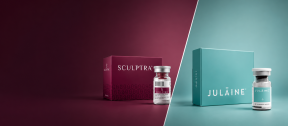
Both are regenerative injectables that improve skin quality over a course, so the honest answer depends on your skin and your goal. Polynucleotides shine on thin, delicate skin such as the under-eye area, while Juläine works as a biostimulator to rebuild firmness more broadly. Dr Eccleston will recommend the better fit at your assessment rather than pushing one over the other.
Polynucleotides start from £400 at MediZen, with packages available for a course. Because the plan is tailored to your skin and the area, we confirm the exact polynucleotides price at your consultation. You can see everything we offer on our full treatments list, and we will always be clear on cost before you go ahead.
They are short, purified chains of DNA, and the fragments used in aesthetics come from salmon, which is why you sometimes see them called salmon DNA injections. Salmon is used because its DNA closely resembles our own, so the skin recognises the fragments and responds to them. Everything is purified and sterilised into a stable form before it is ever injected.
They answer different questions. Polynucleotides improve the quality of the thin skin under the eyes, softening crepey texture and the tired, shadowed look, while dermal fillers restore lost volume in a hollow tear trough. Many people are better suited to polynucleotides for skin quality, some need filler for volume, and a few benefit from both. Which one is right for you is something we work out together at your assessment.
They can help the kind of dark circles that come from thin, crepey skin and a dull, tired surface, because improving the skin’s quality lets less of the shadow show through. They do less for dark circles caused purely by lost volume or by pigment sitting deeper down. At your consultation we look at what is actually causing your shadows before recommending polynucleotides or another route.
As one of the UK’s leading medical aesthetic clinical trial and training centres, and one of only a handful of cosmetic clinics registered with the Government’s Care Quality Commission, you can be confident that our focus is your needs and that quality, training, safety and pain management are paramount in everything that we offer.
We have been using injectables here at MediZen for over 20 years. MediZen’s clinical director, Dr David Eccleston, was one of the first doctors in the UK to offer injectables and is therefore extremely experienced in the use of all injectable treatments, leading to him being named by Tatler as the ‘Man in the Midlands for Injectables’.
All of our injectors have been trained personally by Dr Eccleston, so no matter who you see, you can rest assured they have the skills and knowledge required to give you subtle, natural-looking results in the safest of environments.
Tell us what you’d like to achieve. MediZen will be in touch within one working day to arrange your consultation.







 Back
Back