Redness & Rosacea Treatment Birmingham

Of course, most people who come to MediZen about redness have been told it is just their colouring. They mean the flush that will not fade, the fine red threads across the nose. Also, facial redness and rosacea are among the most common concerns we see. Our team draws on vascular laser, LED and calming, prescription-grade skincare to settle the skin.

Redness & rosacea

Facial redness, flushing, thread veins and rosacea, read and treated by a doctor-led team.

  • Treats Rosacea, flushing, thread veins
  • Approaches Laser, LED, calming skincare
  • Suitable for All skin tones
  • Downtime Minimal
  • Sessions 1 to 3 for vessels

What is facial redness and rosacea?

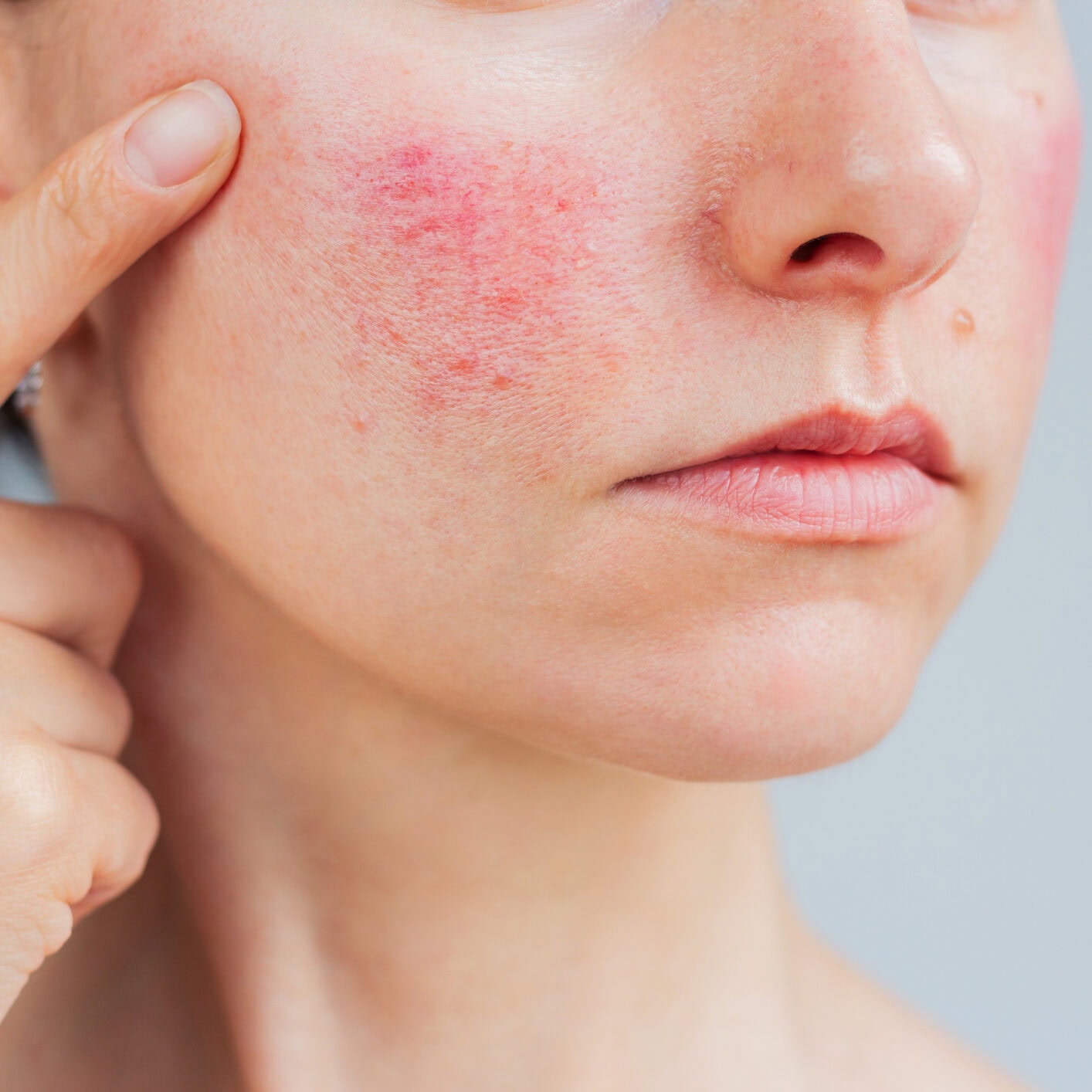
Redness is what happens when the small blood vessels near the surface of the skin dilate and stay that way. So, blood shows through, and the face reads pink, red or blotchy rather than even. In its mildest form this is simple flushing, the colour that rises with heat, exercise, embarrassment or a hot drink. It then fades within minutes. When the redness becomes fixed, it is usually rosacea. This is especially so when fine visible vessels and the odd inflamed bump join it.

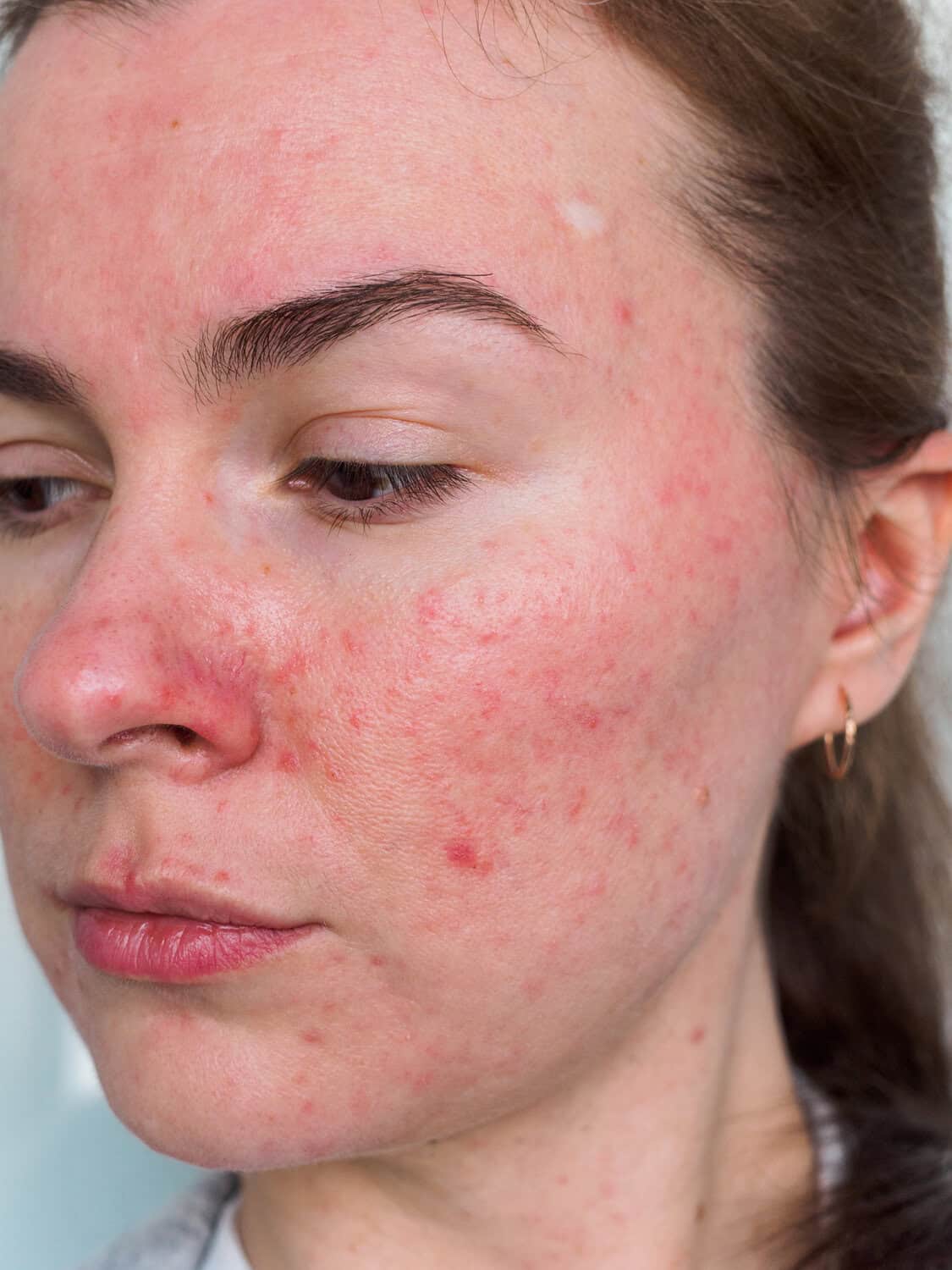
Of course, rosacea is common, affecting around one in ten adults in the UK. It tends to settle across the central face: the cheeks, nose, chin and forehead. Likewise, it is often mistaken for acne, sensitive skin or a lingering sunburn. As a result, many people live with it for years before naming it. It is not caused by poor hygiene, and it is not contagious. It runs from a faint background wash to a deep, persistent flush with pustules. In practice, redness is one of those concerns where the instinct is to scrub or strip the skin. However, this almost always makes it worse. Calming the skin first and then treating the vessels is what makes the improvement hold. The reassuring part is how well it responds once you work with it rather than against it. That might be vascular laser, LED or a calming skincare routine.

Aesthetic practitioner performing laser treatment on a patient in clinic.
Know your redness

Types of redness and rosacea we treat

Cheeks that flush and stay pink

Colour that no longer fades

Cheeks that flush and stay pink

The most common pattern: cheeks, nose and chin that flush easily and stay pink long after the trigger has gone. The redness lives in dilated surface vessels, exactly what Laser Genesis is built to calm gently over a course of sessions.

Fine red veins around the nose

Threads you can trace

Fine red veins around the nose

Individual little capillaries that have given up shrinking back, usually around the nostrils and across the cheeks. The excel V vascular laser heats and closes these superficial vessels without damaging the skin around them, so the threads fade and tone evens out.

Bumps that arrive with the redness

Looks like acne, flares like rosacea

Bumps that arrive with the redness

Papules and pustules that flare with your rosacea. Prescription treatment via your GP or dermatologist is often the backbone here, and we support it with barrier rebuilding medical-grade skincare and calming LED rather than anything that provokes the skin.

Skin that stings at skincare

Reactive, hot, easily upset

Skin that stings at skincare

Skin that stings at products it used to love is usually a compromised barrier. Gentle LED light therapy calms it and a pared back, prescription-grade home routine rebuilds it, with no scrubbing, no heat and nothing that asks the skin to cope.

Sore eyes or a thickening nose

See your GP first

Sore eyes or a thickening nose

Burning, gritty, watery eyes alongside the redness can be ocular rosacea, and gradual thickening of the skin on the nose is its own distinct pattern. Both deserve a medical opinion first, and we will point you at the right door plainly.

What causes redness and rosacea?

In practice, treat the redness without understanding what sits behind it and it tends to return. So, the first task at your consultation is to work out what is driving yours. Several threads usually run together.

Blood vessels come first. In rosacea the small facial vessels over-react, dilating too easily and too often. Over time, some stay visibly open as thread veins. Sun exposure speeds all of it along, weakening vessel walls and the skin around them. Because of this, the NHS guidance on rosacea places daily sun protection near the top of the list. Genetics set the baseline: rosacea runs in families and is most common in fair skin that flushes readily. That said, it appears across every skin tone and is often missed in deeper ones.

Then there are the triggers, which do not cause redness so much as light the fuse. Of course, alcohol, spicy food, hot drinks, extremes of temperature, stress and hard exercise are the usual suspects. Still, most people learn to name their own. The skin barrier matters too. When it is compromised, by harsh products, over-exfoliation or a naturally reactive tendency, the skin loses water. It then inflames easily and flushes at the smallest provocation. An overactive immune response is also thought to play a part in rosacea. So is a tiny mite that lives harmlessly on most faces. Because ultraviolet feeds so many of these at once, a daily broad-spectrum SPF is not an optional extra. In turn, it is the habit that protects every other result.

MediZen Clinic award trophy with 'Aesthetics Awards Winner 2023' inscription.

How we treat redness and rosacea at MediZen

There is no single best treatment for facial redness, because the colour has more than one cause. So, the right choice turns on what is driving yours, alongside your skin tone. That might be a fixed flush, scattered thread veins, active rosacea flares or a reactive barrier. In practice, your practitioner reads all of it and tailors a plan at consultation.

Compare excel V+ Laser Vascular laser for vessels LED Light Therapy Calms active flare-ups Medical-Grade Skincare Barrier repair and daily control
Patient undergoing LED light therapy treatment in a clinic setting. Patient receiving a gift bag from a MediZen staff member in the clinic.
Thread veins & fixed redness Active rosacea flares & inflammation Sensitive skin & daily control
Laser energy closes dilated vessels Light calms inflammation and redness Calming actives repair the barrier
1 to 3 Course Ongoing
Minimal None None
All, assessed at patch test All All
£135 From consultation From consultation
Your options

Which treatment for your type of redness?

As a guide, here is how we typically match each type of pigmentation to a treatment. Of course, your exact plan is always confirmed at consultation.

Redness type
Recommended treatment
Why
Facial redness & flushing
Laser settles the vessels while skincare quietens the flush
Thread veins & broken capillaries
Vascular laser closes individual vessels directly and precisely
Rosacea with visible vessels
Clears the vessels, then keeps the skin calm between sessions
Rosacea with bumps & spots
Calms inflammation; your GP can add medication if it is needed
Sensitive & reactive skin
Rebuilds the barrier and lowers how easily the skin reacts
Redness after sun or treatment
Light and barrier care settle post-inflammatory redness gently

Can you treat redness and rosacea at home?

There is a real amount the right routine can do at home. In practice, it starts with doing less rather than more. As such, redness-prone and rosacea skin does best on a short, gentle regimen. That means a mild non-foaming cleanser, a barrier-supporting moisturiser and a broad-spectrum SPF every morning, all year round. Calming, prescription-grade actives such as niacinamide and azelaic acid can genuinely reduce background redness and the small bumps of rosacea. This is exactly the sort of plan our team builds around your skin with medical-grade skincare. Learning your own triggers, then sidestepping the ones you can, does much of the rest.

Where home care runs out of road is with fixed redness and visible vessels. Still, thread veins and the entrenched flush of established rosacea do not fade with creams. That is because the vessels themselves need to be treated. One honest caveat matters here. See your GP or a dermatologist first if your eyes feel gritty or sore. Likewise, do the same if the skin around your nose is thickening. Also see them if you are simply not sure whether you are looking at rosacea, acne or something else. Some forms of rosacea need medical treatment, and the odd look-alike needs ruling out. For everything else, the most reliable route pairs a considered in-clinic treatment with a calm, protective routine at home.

Receptionist handing over a MediZen gift bag to a patient.

As featured in

Good to know

Redness and rosacea treatment FAQs

Still weighing something up about redness or rosacea treatment in Birmingham? These are the questions our patients raise most, from thread veins and flushing to what results really look like. If yours is not here, bring it to a consultation, where we read your skin properly and talk you through the honest options.

There is no single answer, because redness is not one thing. Fixed redness and visible vessels respond best to a vascular laser such as the excel V+. Active, inflamed rosacea calms with LED light therapy, and a reactive, sensitive barrier does best with medical-grade skincare. We match the approach to what we actually see at your consultation, not before it.

The exact cause is not fully understood, but it comes down to facial blood vessels that over-react, a genetic tendency that runs in families, sun damage over the years, and an easily provoked immune response. Triggers such as alcohol, heat and stress do not cause rosacea, but they set off the flare-ups, which is why learning your own is part of managing it.

Rosacea is managed rather than cured. The honest picture is that vascular laser can clear the visible vessels and background redness, sometimes for good, but the underlying tendency to flush remains. With the vessels treated, a calm skincare routine, daily SPF and trigger awareness keep the skin settled and flare-ups infrequent.

Yes, and reliably. The excel V+ is a vascular laser: its energy is absorbed by the haemoglobin in dilated vessels, heating and closing them so the body clears them away. That suits thread veins, broken capillaries and the fixed flush of rosacea. It does not stop new vessels forming, which is where skincare and sun protection earn their place.

Yes, with the right settings and a patch test first. The excel V+ can be tuned to treat vessels safely on medium and deeper tones, and LED and calming skincare suit every skin type. The British Association of Dermatologists has useful background on rosacea and on caring for skin across all tones.

Keep the routine short and gentle: a mild cleanser, a barrier-repairing moisturiser and a broad-spectrum SPF every morning, plus calming actives like niacinamide and azelaic acid. Avoid scrubs, hot water and anything that stings. We prescribe a medical-grade skincare plan matched to your skin, which does its best work alongside an in-clinic treatment.

It depends on the type and how set in it is. A few discrete thread veins may clear in one to three laser sessions. Widespread rosacea and diffuse redness are usually worked over a short course, with LED and skincare running alongside. You will get a realistic number at your consultation, not a guess over the phone.

Most people describe the excel V+ as a quick flick, a little like the snap of an elastic band against the skin, with a built-in cooling system that keeps it comfortable. LED light therapy is completely painless and many find it relaxing. No anaesthetic is needed for either.

Vessels that are treated and cleared tend to stay gone. Because rosacea is an ongoing tendency, though, new vessels and fresh redness can appear over time, so occasional maintenance sessions and steady daily SPF are what keep the skin looking even for the long run.

The usual triggers are alcohol, spicy food, hot drinks, sun, extremes of temperature, stress and vigorous exercise. Not everyone reacts to all of them, so it helps to notice your own pattern and ease off the ones you can. Daily sun protection is the single most useful habit for keeping flares down.

Gently, yes. A soothing HydraFacial can hydrate and calm rosacea-prone skin, and a carefully chosen mild chemical peel can help congestion. Aggressive, deep peels and harsh scrubs are the ones to avoid, because they can trigger a flare. Your practitioner will keep anything you have on the gentle side.

Not always easy to tell, which is why we look properly before treating. Persistent facial redness can also be sensitivity, a reaction to skincare, or occasionally another condition entirely. If there is any doubt, our dermatology team can assess it, and anything that needs a medical diagnosis is referred on rather than treated blind.

excel V+ vascular laser starts from £135, with course prices bringing the per-session cost down. LED light therapy and prescription skincare plans are quoted once we have seen your skin. The full price list has the detail, and your consultation gives you a firm plan and figure.

Yes. MediZen sits in Mere Green, Sutton Coldfield, a short drive from central Birmingham, and we look after patients from across the city and the wider Midlands for facial redness, thread veins and rosacea.

Yes, always. Every plan opens with a consultation so we can identify the type of redness you have, check the skin and, for any laser, carry out a patch test to confirm you are a good candidate before we treat. It is also your chance to hear an honest view of what is realistic for your skin.

Receptionist handing over a MediZen gift bag to a patient.

Why MediZen

MediZen Clinic award trophy with 'Aesthetics Awards Winner 2023' inscription.

As one of the UK’s leading medical aesthetic clinical trial and training centres, and one of only a handful of cosmetic clinics registered with the Government’s Care Quality Commission, you can be confident that our focus is your needs and that quality, training, safety and pain management are paramount in everything that we offer.

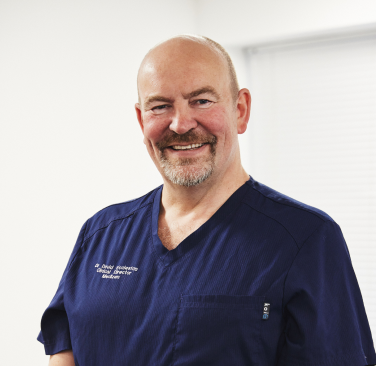
We have been using injectables here at MediZen for over 20 years. MediZen’s clinical director, Dr David Eccleston, was one of the first doctors in the UK to offer injectables and is therefore extremely experienced in the use of all injectable treatments, leading to him being named by Tatler as the ‘Man in the Midlands for Injectables’.

All of our injectors have been trained personally by Dr Eccleston, so no matter who you see, you can rest assured they have the skills and knowledge required to give you subtle, natural-looking results in the safest of environments.

Book Appointment