


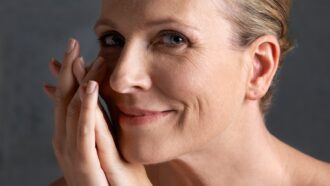
You pay on the day of your first session, and that evening the mirror shows almost nothing new. There are a few tiny bumps under the eyes and the same faint creases your concealer drifts into by four o’clock. That is the moment people start to wonder what they paid for. Polynucleotides cost at MediZen in Birmingham makes sense only on a calendar, because the real work happens in the weeks that follow.
| Performed by | Appointment | Downtime | Results | Price from |
|---|---|---|---|---|
| A doctor or independent nurse prescriber | Around 30 minutes per session | Back to normal the same day, small bumps for a day or two | A first change after one session, the fuller result about 6 weeks after the last, lasting up to a year | £400 |
Polynucleotides are purified fragments of salmon DNA, placed in tiny deposits just beneath the skin. At MediZen they are given by one of our doctors or independent nurse prescribers. Each of them learned their technique from our clinical director, Dr David Eccleston, or came to us already teaching others. Nothing is filled or reshaped. The fragments act as a signal, and your own skin does the rebuilding.
The clever part is the timing. A single session starts from £400, but a first course is three to four treatments spaced three to four weeks apart, and four booked together cost £1,440. The fuller result shows around six weeks after the final visit. Laid out on a calendar, that is close to four months of repair, and the price is really the price of that season.
Why Tired Skin Needs a Season, Not an Afternoon
The skin under your eyes is the thinnest on the face, and it is usually where a run of short nights shows first. Beneath it sit the fibroblasts, the cells that build collagen and elastin. As the years pass they slow down, so repairs that once happened overnight start to take weeks. Thin skin turns crepey, shadows sit closer to the surface, and concealer finds every fold.
None of this is something you caused. Sun, genes and the plain passing of years all play their part, and no serum reaches the layer where those cells live. That is why a good eye cream feels lovely and changes so little. The skin needs a prompt from within, and then it needs time to act on that prompt.
Polynucleotides supply the prompt. In June 2026 two UK authors published a review in the Journal of Clinical Medicine comparing filler and polynucleotides around the eyes. Filler still led for correcting a hollow. Polynucleotides showed consistent gains in elasticity, hydration and fine lines, the very qualities that make under-eye skin look rested. Those gains belong to the skin itself, and skin rebuilds on its own timetable.
What Each Visit Sets in Motion
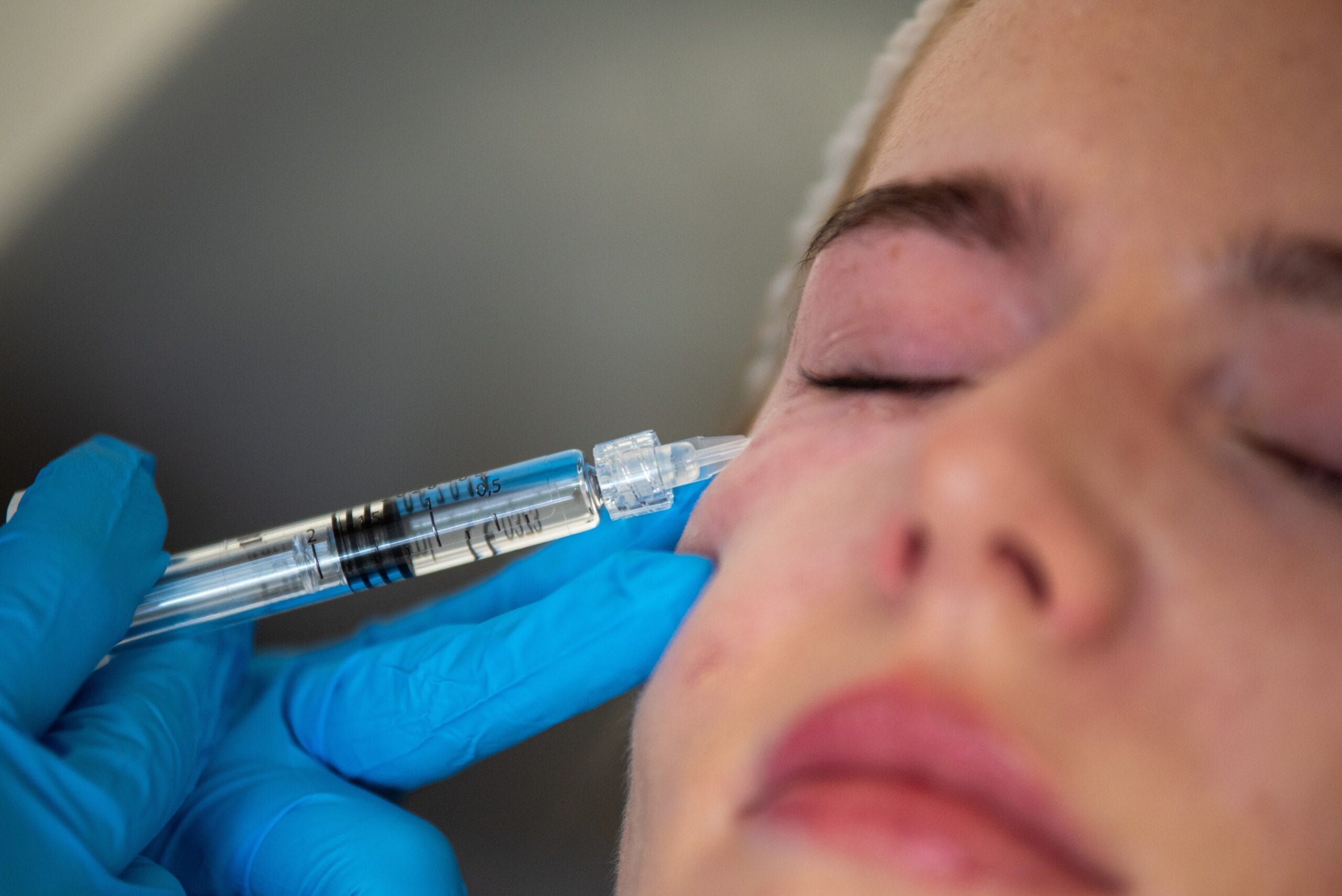
A session takes around thirty minutes, and most of that is the careful part on either side of the injections. Your clinician checks your medical history, takes photographs for your records and maps the area. The polynucleotides then go in as a series of very small injections just under the surface. The product carries no anaesthetic, so you feel a light stinging, and numbing cream can go on first if you prefer.
Once placed, the fragments behave less like a product and more like a message. Salmon DNA is close enough to our own to be recognised rather than rejected, and the fibroblasts read it as a cue to start work again. Fresh collagen is laid down, the tissue repairs, and the skin holds water better. Each visit in the course renews that message while the skin is still responding to the one before.
The research describes exactly this kind of gradual change. A systematic review in the Journal of Cosmetic Dermatology gathered nine studies of polynucleotide injections. Across them, wrinkles reduced, texture refined and elasticity improved, while side effects stayed mild and short-lived. Patient satisfaction ran from moderate to high, which fits a treatment built around better skin rather than a different shape.
A Course Shaped by a Doctor or Nurse Prescriber
Polynucleotides are at their strongest where the problem is skin quality. The under-eye area is the signature use, and Dr Eccleston treats it more than anywhere else, because that skin is too delicate for heavier treatments. Crepey skin on the neck and the backs of the hands responds well too. Over a course of three to four sessions, uneven texture smooths and acne scars soften.
They do not add volume, and your clinician will tell you if volume is what your face needs. A flattened cheek or a deep tear trough is a job for dermal fillers. Some people have both, with filler restoring shape and polynucleotides improving the skin over it. For deeper scarring, a course often pairs with microneedling, sequenced so each treatment supports the other.
Many people arrive having tried a hyaluronic acid booster and wondering what comes next. Profhilo hydrates deeply and often suits younger, drier skin, while polynucleotides suit thinner, more mature skin and the area under the eyes. Our Profhilo and polynucleotides comparison sets the two side by side. A course is a season of repair, and the price only makes sense once you can see the weeks it covers.
A course is a season of repair, and the price only makes sense once you can see the weeks it covers.
That is why your clinician plans the calendar before anything is booked. They set the number of sessions, the spacing between them and the point at which you judge the result. If another treatment would serve your skin better, they say so at that first appointment, before any course is agreed. You leave knowing what each visit is for and when it falls.
The Calendar From First Session to Top-Up
Most people notice a change after the first session, often a softer, less shadowed look under the eyes. The skin keeps improving as collagen builds, so the second and third visits land on skin that is already responding. The before and after pairs on our polynucleotides page show both ends of that journey. Here is how a typical first course runs, laid out week by week:
- Week one: your first session, with small bumps that settle within a day or two
- Weeks three to twelve: the rest of the course, one visit every three to four weeks
- About six weeks after the final session: the fuller result
- Roughly every six months after that: a single top-up to hold it
Left without maintenance, the result lasts up to a year, though skin carries on ageing quietly in the background. A single top-up around every six months keeps the improvement steady. The course does the rebuilding, and the top-ups do the upkeep. Our guide to polynucleotides explains the science in more depth, from fibroblasts to the way results build.
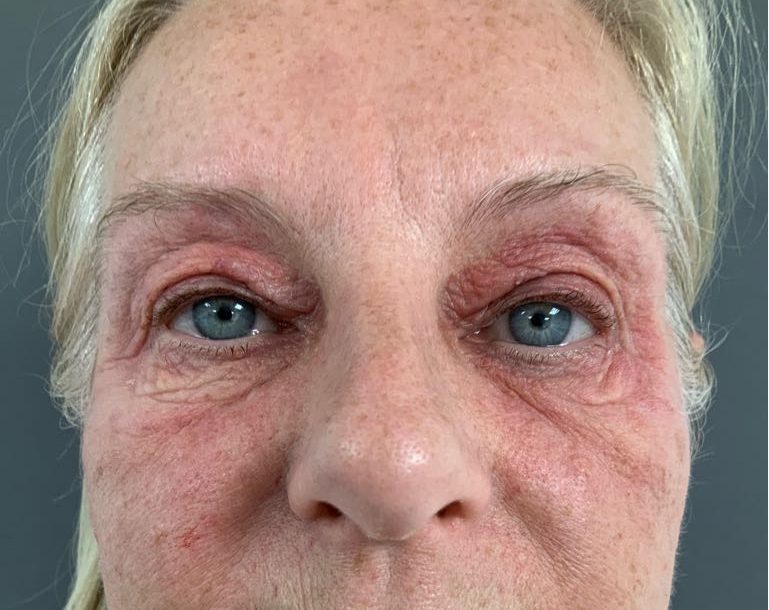
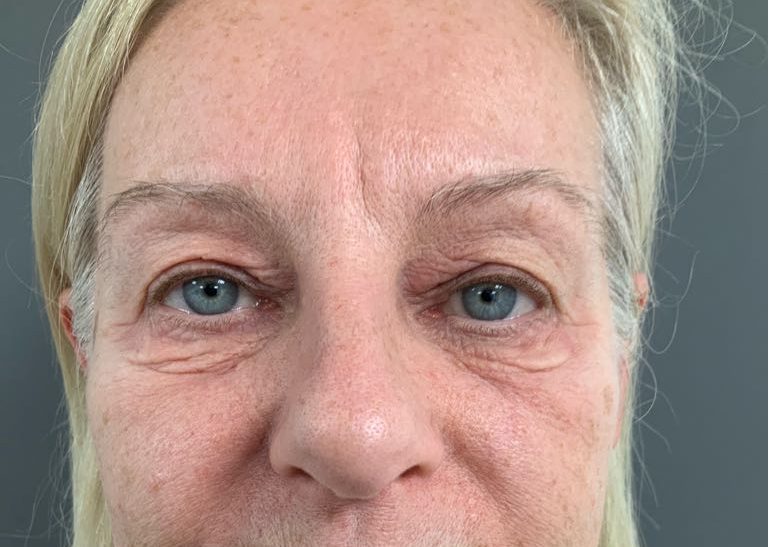
Aftercare is simple, and your notes arrive with your booking confirmation. For a day or two you keep the area clean, skip heavy exercise and saunas, and leave retinols aside for around forty-eight hours. Small bumps or the occasional light bruise settle quickly. Work carries on as usual, and nobody needs to know which week of the calendar you are in.
Where Your Polynucleotides Calendar Starts
Your first visit is a consultation, face to face, with one of our medical team. They take a full medical history, look closely at the area and listen to how you would like the result to look. VISIA skin analysis can show the texture and fine lines sitting below what a bathroom mirror reveals. You leave with a plan, a realistic outcome and a clear price before anything is booked.
Polynucleotides start from £400 a session. A course of four is £1,440, which brings each treatment to £360 and saves £160 against four single sessions. With Dr Eccleston himself, a session is £460 and four are £1,660. Maintenance treatments start from £360. Every figure sits on our price list, and your own total is confirmed once the area and the number of sessions are agreed.
Our rooms are in Astor House at Mere Green, and plenty of our polynucleotides patients drive over from Walmley, Streetly and Four Oaks. If the skin under your eyes has been asking for more than an eye cream, come and see what a season of polynucleotides at MediZen can do. Your clinician will show you the calendar first, and the receipt will make sense after that.
Polynucleotides Prices and Timings, Answered
Cost and timing are the two things people want settled before they book a course. These answers cover both, and your clinician will talk through anything else face to face.
At MediZen, a single polynucleotide session starts from £400, and a course of four is £1,440. Sessions with Dr David Eccleston, our clinical director, are £460 each or £1,660 for four. Maintenance treatments start from £360. Your exact figure is confirmed at consultation, once your clinician has agreed the area and the number of sessions with you.
Yes. Four single sessions at £400 come to £1,600, while the course of four is £1,440, so each treatment works out at £360. A first course is usually three to four sessions anyway, which means booking the course suits the way the treatment works. Your clinician confirms whether three or four is right for your skin before anything is booked.
A first course is usually three to four treatments, each three to four weeks after the last. Once the course is finished, a single top-up around every six months keeps the result steady. The number depends on the area and on how your skin responds, and your clinician sets the plan at consultation rather than quoting one figure for everyone.
Most people notice a change after the first session, and the skin keeps improving as collagen builds. The fuller result shows around six weeks after the final treatment. Without maintenance it lasts up to a year, although skin carries on ageing, so a top-up roughly every six months keeps it looking fresh.
They are short chains of DNA, purified and sterilised, and the fragments used in aesthetics come from salmon. That is why you sometimes see them called salmon DNA injections. Salmon DNA closely resembles our own, so the skin recognises the fragments and responds by rebuilding collagen and holding water better.
No. They improve the quality of the skin itself, prompting fibroblasts to lay down fresh collagen and elastin, and they add no volume. A flattened cheek or a hollow tear trough calls for dermal filler instead. Some people combine the two over time, with filler restoring shape and polynucleotides improving the skin that covers it.
Most people describe a light stinging rather than pain. The treatment is a series of very small injections just beneath the surface, and the product itself contains no anaesthetic. If you would rather not feel the injections, numbing cream can go on first. A session takes around thirty minutes, most of it preparation and photographs.
They are given by one of our doctors or independent nurse prescribers, after a face-to-face medical assessment. Every practitioner here either learned from Dr David Eccleston or joined us already teaching injectable technique. You can also choose to be treated by Dr Eccleston himself, at £460 a session.
For thin, tired or crepey skin they are one of the few treatments that improve the skin rather than masking it, and the result looks natural because your own collagen is doing the work. They are not a route to more volume. Your clinician will tell you at consultation whether they suit what you are hoping for.
Put Your Course on the Calendar
If tired, crepey skin under your eyes has been on your mind, come and plan your course with our medical team in Mere Green. Dial 0121 308 4373 and we will pencil in a first date, or WhatsApp us with any question about the course.
 Back