Scar Removal Birmingham

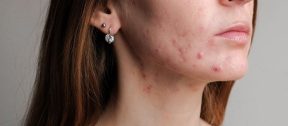
Most of the scars that come to MediZen carry a history. Often that is a run of teenage acne that pitted the cheeks. Sometimes it is a childhood bout of chickenpox or a caesarean line. Scarring is one of the most personal concerns we treat. Our doctor-led team draws on fractional laser, peels, regenerative injections and prescription skincare. So, we work to soften it and even the skin around it.

Scarring & scar revision

Acne scars, keloids, stretch marks and post-acne marks, treated by a doctor-led team.

  • Treats Acne scars, keloids, stretch marks
  • Approaches Fractional laser, peels, regeneration
  • Suitable for All skin tones, assessed individually
  • Downtime Minimal to a few days
  • Sessions 1 to 6 by scar type

What is a scar?

A scar is the mark left behind once skin has repaired itself after a wound. Cut, burn, spot or surgical incision, the moment the skin is broken the body rushes collagen to the site. This collagen works to close it. However, that patch of new tissue rarely matches the skin it replaces. How the scar looks comes down to how much collagen the body made. Lay down too little and the surface sinks into a depression. These are the atrophic scars acne so often leaves as ice-pick, boxcar and rolling marks. Lay down too much and the scar rises above the skin as a firm, raised hypertrophic scar. Alternatively, it spreads past the original wound into a keloid. Sometimes the texture heals flat and only the colour lingers, the brown or pink shadow known as post-inflammatory hyperpigmentation.

Scarring is completely normal and part of how every one of us heals. It appears on every skin tone, though deeper tones are more prone to keloids and to lingering pigment marks. It is rarely painful and almost never dangerous. What it does affect is how people feel about skin they would rather not show. A scar is a record of how the skin healed rather than a flaw to be ashamed of. So, the practical starting point is always the same. First, the team works out whether the skin made too much collagen or too little. Then it knows which tool will actually help.

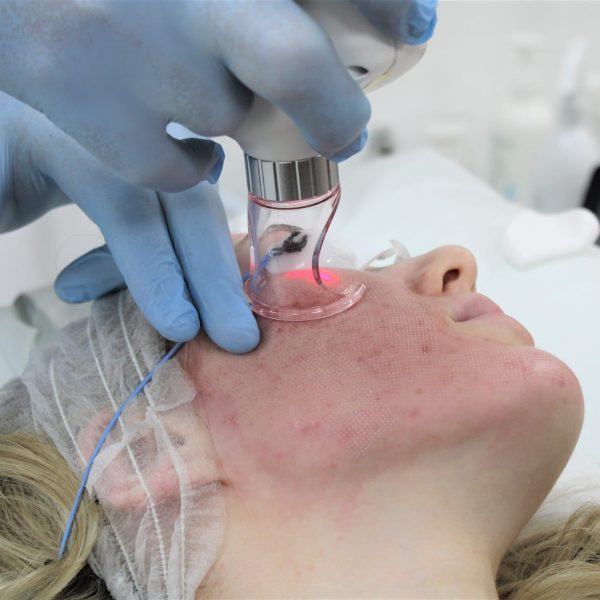
A medical professional performs a skin treatment using a specialised device on a patient.
Know your scarring

Types of scarring we treat

Atrophic acne scars

Ice-pick, boxcar and rolling

Atrophic acne scars

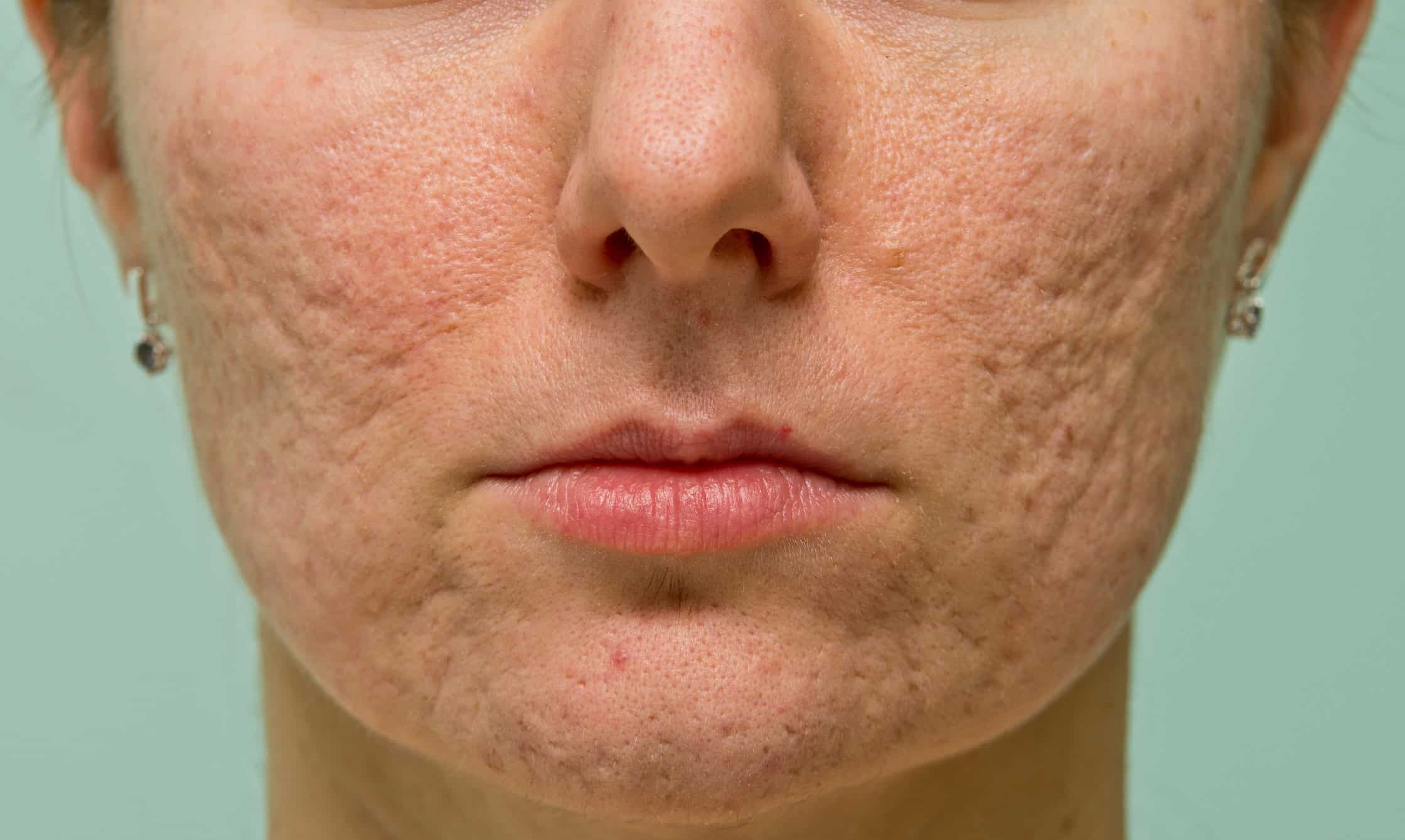
The depressed scars acne leaves when skin heals with too little collagen. They come as narrow ice-pick pits, wider boxcar dents and shallow rolling waves. They respond best to treatments that rebuild volume from beneath, such as fractional resurfacing and regenerative injections.

Hypertrophic & keloid scars

Raised, firm, sometimes tender

Hypertrophic & keloid scars

Raised, firm scars from an overproduction of collagen during healing. Hypertrophic scars stay within the original wound and often calm and flatten with vascular laser and doctor-led injections. Keloids grow beyond its edges, are more common in deeper skin tones, and are best reviewed by a doctor before anything is done.

Stretch marks

Skin stretched faster than it can adapt

Stretch marks

Fine lines that form when skin is stretched faster than it can adapt, through growth, pregnancy or weight change. Newer red marks respond better than older silvery ones, and fractional and regenerative treatments improve both colour and texture.

Surgical and injury scars

Operations, accidents and burns

Surgical and injury scars

Scars left by operations, accidents and burns, which can be raised, flat or discoloured depending on how they healed. As they mature we work to soften the texture and reduce redness, so they settle less visibly into the surrounding skin.

What causes scarring?

Work out what caused a scar and how the skin responded to it. Do that, and you are halfway to choosing the treatment that will improve it. A handful of causes account for most of the scars we see at MediZen.

Acne is the most common by far. When a breakout pushes deep into the skin it damages the tissue underneath. The repair that follows often heals as a pitted or discoloured mark. Injury and surgery make up the next largest group, from kitchen burns and sports grazes to caesarean and operation lines. Chickenpox and other infections leave their own small, round depressions, often on the face. Stretch marks form when skin is pulled faster than it can adjust. This happens through growth spurts, pregnancy or quick changes in weight. Beneath a surface that stays intact, the dermis tears.

Two things then decide how visible the result becomes. The first is genetics, which set how readily you scar and whether you carry a tendency to keloids. The second is what happens while the wound heals. Several things can deepen the final mark. Picking at a spot and tension across the skin both play a part. So does a slow-healing or infected wound, or sun exposure on fresh scar tissue. The NHS guidance on scars is a clear, plain-English summary of how they form and settle over time.

MediZen Clinic award trophy with 'Aesthetics Awards Winner 2023' inscription.

How we treat scarring at MediZen

There is no single best treatment for scarring. The right choice turns on the type of scar. It depends on whether the skin laid down too much collagen or too little. It also depends on how old and how red the mark is, and your skin tone. Your practitioner reads all of this and tailors a plan at consultation.

Compare Secret PRO Fractional resurfacing for depth excel V+ Laser Vascular laser for red scars Chemical Peels Resurfacing for surface marks
Aesthetic treatment being performed on a woman in a clinic setting. Alumier skincare products arranged on a tray at MediZen clinic.
Depressed acne scars, texture, stretch marks Red, raised & hypertrophic scars Surface acne scars & post-acne marks
Fractional laser resurfaces and rebuilds collagen Vascular laser calms redness and softens tissue Resurfaces and fades pigmented surface layers
1 to 3 3 to 6 Course of 3 to 6
A few days of redness Minimal Mild flaking for a few days
Most, assessed case by case All, including darker tones Most, with the right peel
£799 £135 £165
Your options

Which treatment for your type of scarring?

As a guide, here is how we typically match each type of pigmentation to a treatment. Your exact plan is always confirmed at consultation.

Scarring type
Recommended treatment
Why
Atrophic acne scars (ice pick, boxcar, rolling)
Fractional resurfacing plus regeneration rebuild depressed scars from beneath
Hypertrophic scars
Laser softens and de-reddens while doctor-led injections flatten raised tissue
Keloid scars
Keloids need a doctor-led plan before any laser is used
Post-inflammatory hyperpigmentation
Resurfaces and fades marks gently enough for darker tones
Stretch marks
Fractional energy and regeneration improve both colour and texture
Surgical and injury scars
Reduces redness and refines texture as the scar matures

Can you get rid of scars at home?

There is real value in what a good home routine can do, particularly in the early months. Silicone gels and sheets are the most evidence-backed thing you can use yourself. They flatten and soften raised scars over steady use. In addition, a daily broad-spectrum SPF stops fresh scars darkening in the sun. The right actives, vitamin C, niacinamide and a retinoid, gradually fade the pink and brown marks acne leaves behind. This is the sort of routine our team builds around your skin with medical-grade skincare. It is matched to your scar type rather than guessed at from a shelf.

Where home care reaches its limit is with anything set into the structure of the skin. Depressed acne scars, established keloids and older stretch marks rarely shift with creams alone. That is because the problem lies in how the collagen was laid down, not on the surface. One honest caveat matters most here. Watch for a scar or any mark that is changing shape, growing, itching or bleeding. You may also simply not be sure it is a scar at all. In those cases, that is a job for a GP or dermatologist before it is a job for skincare. For everything else, the quickest and safest route pairs a considered in-clinic treatment with a home routine that protects it.

Receptionist handing over a MediZen gift bag to a patient.

As featured in

Good to know

Scar removal FAQs

Still weighing something up about scar removal in Birmingham? These are the questions our patients ask most, from acne scarring and keloids to stretch marks and what results really look like. If yours is not here, bring it to a consultation, where we read your skin properly and give you an honest view.

There is no single answer, because scars are not one thing. Depressed acne scars respond best to Secret PRO and polynucleotides that rebuild collagen from beneath. Red or raised scars settle with excel V+ laser. Surface marks and post-acne pigment fade with chemical peels and prescription skincare. We match the tool to the scar at your consultation, not before it.

When a breakout reaches deep into the skin it damages the tissue below, and the body repairs it with collagen. Too little collagen leaves a depressed, pitted scar; too much leaves a raised one. Calming any active acne first matters, or fresh scars keep forming behind the ones you treat.

Honestly, most scars are improved rather than erased. Good treatment can make a scar far less noticeable in colour, texture and depth, often dramatically so, but the aim is to blend it into the surrounding skin rather than promise it will vanish. We will tell you at the consultation what is realistic for your particular scar.

Yes, for the right kind of scar. The excel V+ vascular laser calms the redness of scars and helps soften raised tissue, while the fractional laser in Secret PRO resurfaces depressed acne scars and stimulates new collagen. The device is chosen to suit your scar type and skin tone.

For the pitted, atrophic scars acne leaves, the most effective options rebuild the skin from within. Secret PRO fractional resurfacing, micro-needling and polynucleotides all stimulate collagen to lift the base of the scar, with peels and skincare handling any surface marks alongside.

Carefully, and doctor-led. Keloids grow beyond the original wound and can worsen if treated aggressively, so we review them properly first, often combining laser to calm the tissue with medical injections to flatten it. The British Association of Dermatologists has useful patient information on keloid scars if you want to read further.

Yes. Newer red or purple stretch marks respond better than older silvery ones, but both can be improved. Secret PRO and polynucleotides work on the texture and colour together. We will set an honest expectation for your marks at the consultation.

Subcision is a technique that releases the tethered bands pulling a rolling scar down from beneath. At MediZen we assess whether your scars would benefit from releasing, and where they would, we pair it with collagen-stimulating treatments such as Secret PRO and polynucleotides to lift and hold the base.

Yes, with the right choices. Deeper tones are more prone to keloids and to post-inflammatory pigment, so we favour gentler, well-tested options and always patch test first. The excel V+ 1064nm wavelength and carefully selected peels are used safely across skin tones.

The flat brown or pink marks left after a breakout, properly called post-inflammatory hyperpigmentation, usually fade slowly over months. Treatment shortens the wait: chemical peels and medical-grade skincare speed the fade and even the tone, while daily SPF stops the marks deepening.

It depends on the type and depth of the scar. Redness from a scar can improve in a few laser sessions, while deep atrophic acne scars are worked over a course to build collagen gradually. You will get a realistic number at your consultation rather than a guess over the phone.

It varies with the treatment your scar needs. excel V+ laser starts from £135, chemical peels from £165 and Secret PRO from £799, with course prices bringing the per-session cost down. The full price list has the detail.

Some changes show early, such as reduced redness after laser, while collagen-building results from Secret PRO, micro-needling and polynucleotides build over the weeks and months that follow as new tissue forms. Scar treatment rewards patience more than most, and we set the timeline honestly at the start.

Often that is exactly the plan. A scar may need laser to calm its colour, a fractional or regenerative treatment to rebuild its base and prescription skincare to protect the result, layered in the right order. Your practitioner sequences it safely for your skin and scar type.

Yes, always. Every plan opens with a consultation so we can identify the type and depth of your scar, check your skin and, for any laser, carry out a patch test before we treat. It is also where you hear an honest view of what is realistic for your scar.

Yes. MediZen sits in Mere Green, Sutton Coldfield, a short drive from central Birmingham, and we look after patients from across the city and the wider Midlands for acne scarring, keloids, stretch marks and scar revision.

Receptionist handing over a MediZen gift bag to a patient.

Why MediZen

MediZen Clinic award trophy with 'Aesthetics Awards Winner 2023' inscription.

As one of the UK’s leading medical aesthetic clinical trial and training centres, and one of only a handful of cosmetic clinics registered with the Government’s Care Quality Commission, you can be confident that our focus is your needs and that quality, training, safety and pain management are paramount in everything that we offer.

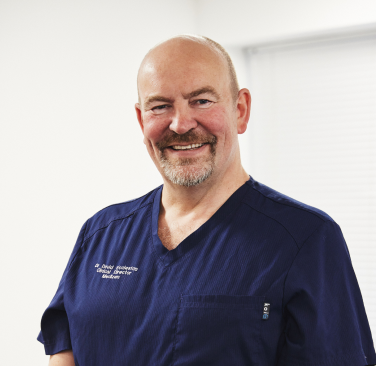
We have been using injectables here at MediZen for over 20 years. MediZen’s clinical director, Dr David Eccleston, was one of the first doctors in the UK to offer injectables and is therefore extremely experienced in the use of all injectable treatments, leading to him being named by Tatler as the ‘Man in the Midlands for Injectables’.

All of our injectors have been trained personally by Dr Eccleston, so no matter who you see, you can rest assured they have the skills and knowledge required to give you subtle, natural-looking results in the safest of environments.

Book Appointment