


Chemical peels are one of the most versatile skin treatments we offer at MediZen. However, they are not one-size-fits-all. However, peels come in different strengths. However, matching the right one to your concern is the key to safe, effective results.
In addition, used well, a peel can brighten dull skin, even out pigmentation and improve texture and breakouts. As a result, this guide explains how peels work and which strength suits which concern.
What Is a Chemical Peel?
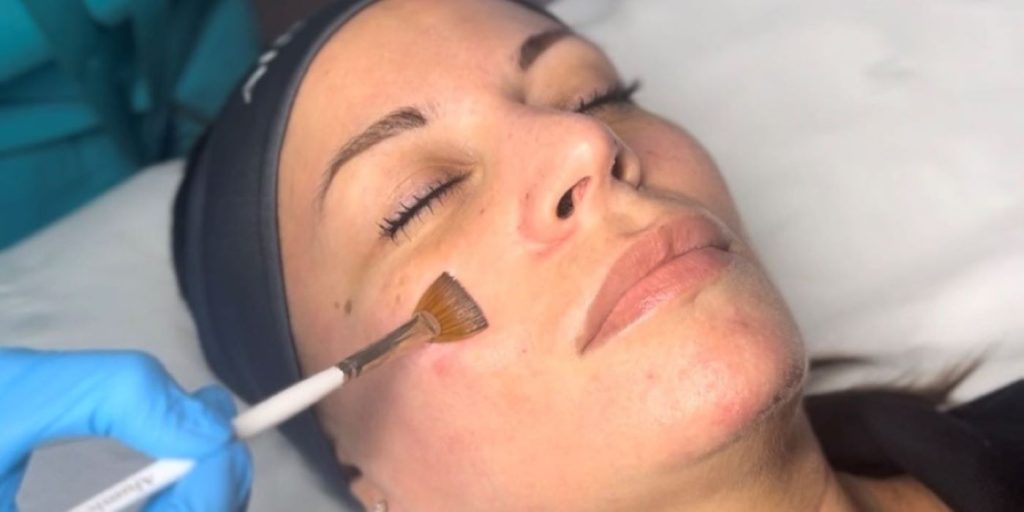
For example, a chemical peel uses a medical-grade solution to exfoliate the skin in a controlled way. In addition, removing damaged cells and encouraging fresh, healthy skin to form. Importantly, the result is improved tone, texture and clarity.
Also, peels have been used in skincare for decades. That said, modern medical-grade formulations allow us to tailor the treatment precisely to your skin and concern.
How Do Chemical Peels Work?
What is more, the solution causes the upper layers of skin to gently shed over the following days, triggering renewal underneath. On top of this, as the old, damaged cells are replaced, pigmentation, fine lines and rough texture improve.
The deeper the peel, the more dramatic the result, but also the longer the recovery. Of course, this is why strength is matched carefully to your skin and your goals.
The Different Strengths of Peel
Superficial (light) peels
In short, light peels work on the surface layer to brighten the skin. As a result, improve mild texture and add radiance, with little to no downtime. Crucially, they are ideal for a refresh or as a regular course.
Medium peels
Then, medium peels reach a little deeper to tackle pigmentation. For example, fine lines and more noticeable texture, with a few days of flaking as the skin renews.
Deeper peels
Likewise, stronger peels address more significant pigmentation, scarring and sun damage. In fact, they deliver the most dramatic results but need more downtime and careful aftercare.
Matching the Peel to Your Concern
| Concern | Suitable peel |
|---|---|
| Dullness and radiance | Superficial peel |
| Mild pigmentation and texture | Superficial to medium |
| Pigmentation and fine lines | Medium peel |
| Acne and congestion | Tailored peel (often medium) |
| Scarring and sun damage | Deeper peel |
What to Expect and Downtime
Above all, downtime depends entirely on the strength. Importantly, from none with a light peel to several days of flaking with a deeper one. However, your skin may feel tight and look pink for a short time afterwards.
Also, your practitioner will recommend the right strength, sometimes building up gradually over a course for the best. Safest results, rather than jumping straight to the strongest option.
Aftercare and Getting the Best Results
Good aftercare is essential, particularly daily SPF. As the new skin revealed by a peel is more vulnerable to sun damage and pigmentation. We will recommend a gentle, supportive routine to protect your results. Advise on when you can return to your usual products and make-up.
Are Chemical Peels Safe?
Chemical peels are safe and effective when carried out by trained professionals using medical-grade solutions at the right strength for your skin. The risk comes from peels that are too strong for your skin type or applied without proper assessment.
This is especially important for darker skin tones, where stronger peels carry a higher risk of pigmentation changes. A consultation ensures the right, safe choice for you.
Who Are Chemical Peels For?
Chemical peels suit a wide range of patients and concerns. From those wanting a brightening refresh to those tackling pigmentation, acne or signs of ageing. Because the strength can be tailored, there is often a suitable peel for most skin types.
They are not suitable for everyone, however, and certain conditions or medications mean a peel should be delayed or avoided. This is why we always assess your skin and medical history first.
Chemical Peels vs Other Treatments
Peels are one of several ways to renew the skin, alongside microneedling and laser. Where peels work by exfoliating and renewing the surface, microneedling and laser work through collagen stimulation and resurfacing at different depths.
Often the best results come from combining treatments over time. Your practitioner will recommend whether a peel alone. Or as part of a wider plan, is the most effective option for your concern.
Peel or Facial: How to Choose
Patients often ask whether they need a chemical peel or a facial such as a HydraFacial. The simplest way to think about it is that a HydraFacial is a gentle. No-downtime treatment focused on cleansing, hydration and an instant glow. While a peel works harder to renew the skin and tackle specific concerns such as pigmentation, texture and breakouts.
For many patients, the two complement each other beautifully over time. With facials maintaining day-to-day skin health and peels used in courses to address particular concerns. At your consultation we will recommend the right balance for your skin. Your concerns and the amount of downtime that suits your life.
What Concerns Can Chemical Peels Improve?
Chemical peels are one of the most adaptable treatments we offer, which is part of why they remain so popular. Depending on the strength and formulation, they can brighten dull skin, even out tone, soften fine lines. Improve rough or congested texture and help manage breakouts and the marks they leave behind.
Because the right peel depends entirely on your concern and skin type. The same treatment can look very different from one patient to the next. This is why we always assess your skin first and tailor the peel. Rather than offering a single one-size-fits-all option.
Chemical Peels at MediZen
MediZen is a CQC-registered, Save Face-accredited medical aesthetic clinic in Sutton Coldfield, just a short drive from Birmingham. A qualified doctor or nurse practitioner performs every treatment, never a beautician. Dr David Eccleston founded the clinic in 1999. The Times has named him one of the UK’s best anti-ageing doctors. With more than 30 years of experience, he leads a team committed to safe, natural-looking results.
Every treatment begins with a full consultation, and our skin consultations include a VISIA skin analysis. This lets us see beneath the surface of your skin and build a plan around your specific concerns rather than a one-size-fits-all package. Book a consultation today and we will recommend the right peel for your skin. Finance and payment options are available to help make treatment more accessible. Our skin memberships and packages help you maintain your results over time.
Frequently Asked Questions
Many are, but stronger peels need care on darker skin to avoid pigmentation changes. A consultation ensures the right, safe choice for your skin tone.
Light peels are often done as a course for the best results, while stronger peels may need fewer sessions. Your plan is tailored at your consultation.
It depends on the strength. Light peels cause little visible peeling, while medium and deeper peels cause more noticeable flaking as the skin renews.
After a light peel, usually soon afterwards. Stronger peels need a short break while the skin recovers. Your practitioner will advise on aftercare.
 Back
Back