


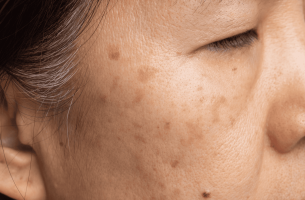
Pigmentation is one of the most common skin concerns we see at MediZen, and one of the most treatable. However, whether it appears as sun spots, patches of melasma or marks left behind after a breakout. However, uneven tone can make the complexion look older and more tired than it is. In addition, here, MediZen explains pigmentation treatment in clear, practical terms.
It can also be one of the trickier concerns to treat safely. This is because the wrong approach can sometimes make it worse. In addition, this complete guide explains what pigmentation is, what causes it, the different types and how each we can treat.
What Is Pigmentation?
As a result, pigmentation occurs when the skin produces too much melanin, the pigment that gives skin its colour. For example, this can appear as small spots or larger patches. As a result, usually on the areas most exposed to the sun, such as the face, chest and hands.
Importantly, while most pigmentation is harmless, it is a common reason patients seek treatment. As it has a real impact on how even and youthful the skin looks.
The Different Types of Pigmentation
Also, there are several types, and identifying which you have is the key to treating it safely. That said, sun spots and age spots come from UV exposure, melasma stems from hormones. What is more, post-inflammatory pigmentation is left after acne or injury.
On top of this, each type behaves differently and responds to different treatments. Of course, we explain them in detail in our guide to the different types of pigmentation.
What Causes Pigmentation?
Sun exposure
In short, ultraviolet light is by far the biggest cause of pigmentation. Leading to sun spots and age spots that build up over the years.
Hormones
Crucially, hormonal changes, including pregnancy and certain medications, can trigger melasma, which needs a particularly careful approach.
Inflammation
Then, marks left after acne, injury or irritation are known as post-inflammatory pigmentation and often fade with the right treatment.
Treatment Options for Pigmentation
Likewise, the most effective treatments at MediZen include:
- In fact, chemical peels to exfoliate pigmented surface cells and even out tone
- Above all, laser treatments to target and break down areas of excess pigment
- However, medical-grade skincare to brighten and protect the skin
In addition, laser and peels are the two main routes. As a result, we compare them in detail in our guide to laser or chemical peels for pigmentation. For example, melasma is the exception and needs a gentle, conservative approach.
The Role of SPF and Prevention
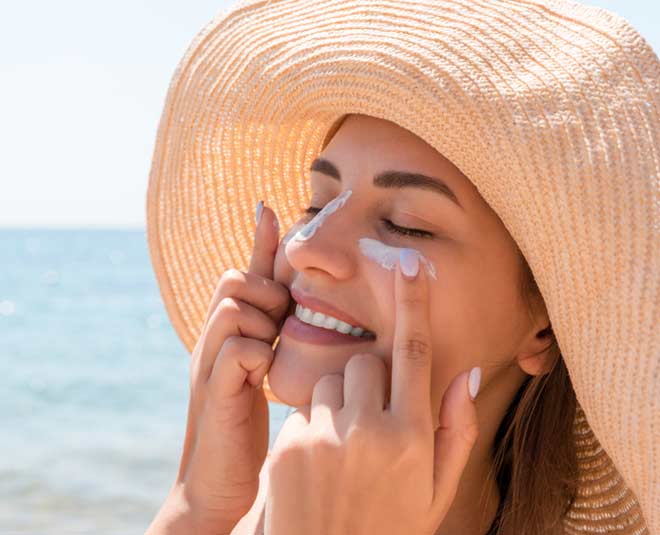
Whatever treatment you have, daily SPF is essential. Without it, new sun exposure will simply trigger fresh pigmentation and undo your results.
A medical-grade SPF is the single most important step in preventing pigmentation and protecting your results. We will always make it part of your plan rather than an afterthought.
Which Treatment Is Right for You?
For surface pigmentation and uneven tone, peels are often the starting point. For defined sun spots, laser can be highly effective. For melasma, a gentler, conservative plan is safest.
A VISIA skin analysis at your consultation reveals pigmentation beneath the surface and helps us match the right treatment to the cause. This is the key to treating it safely and effectively.
Why Choose a Medical Clinic for Pigmentation?
Pigmentation is one of the concerns where the wrong treatment can do real harm, especially with melasma and on darker skin tones. Treating it safely takes proper assessment, the right technology and clinical judgement. This is exactly what a medical-led clinic provides.
How Long Does Pigmentation Take to Treat?
Surface pigmentation often improves within a few weeks of starting treatment. While deeper pigmentation and melasma usually need a longer, more gradual course. The exact timeline depends on the type, depth and cause of your pigmentation.
We will give you a realistic plan at your consultation. A VISIA skin analysis lets us track your progress objectively over time.
Can You Stop Pigmentation Coming Back?
You cannot change a genetic tendency to pigment, but you can do a great deal to keep pigmentation from returning. Daily SPF is the single most important step, alongside a brightening skincare routine and avoiding deliberate sun exposure.
With good prevention, the results of treatment can be maintained long term. This is why we treat sun protection as an essential part of your plan rather than an afterthought.
Why Choose MediZen for Pigmentation Treatment
Pigmentation is one of the concerns where expertise matters most. This is because the wrong treatment can make it worse rather than better, particularly with melasma and on darker skin tones. At MediZen, your treatment uses qualified medical practitioners who understand how each type of pigmentation behaves and how to treat it safely.
Combined with our VISIA skin analysis. This reveals pigmentation beneath the surface. This means we can treat your concern confidently and tailor your plan to the cause rather than guessing. We will also build prevention into your plan. This is because protecting your results is just as important as achieving them in the first place.
A Note on Sun Protection
If there is one thing that makes the biggest difference to pigmentation, it is sun protection. Daily SPF, worn all year round and not just in summer, prevents new pigmentation forming and stops existing marks from darkening. It protects the results of every treatment you have.
We treat sun protection as an essential part of your plan rather than an optional extra. We will recommend a medical-grade SPF suited to your skin. It is the simplest, most effective step you can take to keep your skin even and your results looking their best.
Pigmentation Treatment at MediZen
MediZen is a CQC-registered, Save Face-accredited medical aesthetic clinic in Sutton Coldfield, just a short drive from Birmingham. A qualified doctor or nurse practitioner performs every treatment, never a beautician. Dr David Eccleston founded the clinic in 1999. The Times has named him one of the UK’s best anti-ageing doctors. With more than 30 years of experience, he leads a team committed to safe, natural-looking results.
If pigmentation is affecting your confidence. Book a consultation with our team today and we will recommend the safest, most effective plan for your skin. Finance and payment options are available to help make treatment more accessible. Our skin memberships and packages help you maintain your results over time. To find out more about pigmentation treatment, book a consultation with our Birmingham team.
Frequently Asked Questions
Treatment clears existing pigmentation, but new sun exposure or hormonal changes can trigger more. Daily SPF and a good routine are essential to maintain results.
Melasma needs a careful approach, often starting with gentle peels and medical-grade skincare rather than aggressive laser, to avoid worsening it.
Both peels and laser are usually delivered as a course, with the number tailored to the type and depth of your pigmentation.
Some lasers carry more risk on darker skin, so device choice matters. A consultation and VISIA analysis allow us to select the safest option for you.
 Back